
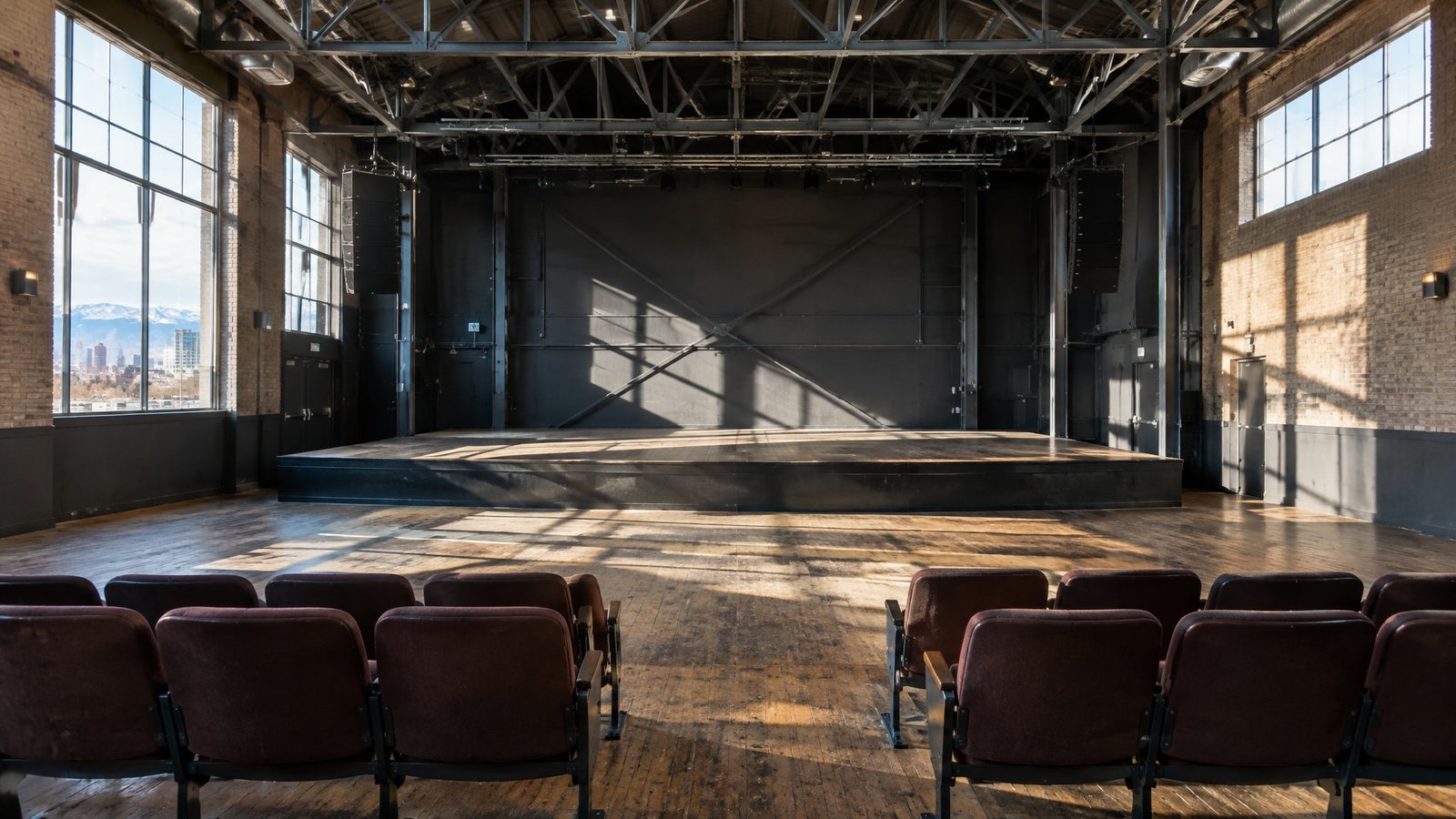
Denver has more than a dozen major concert rooms, and they differ more than their names suggest. Knowing how to pick a Denver concert venue starts with the room, because the room shapes the night before the act plays a note. A band that feels electric in a packed club can feel distant in an arena, and the reverse is just as true.
This guide gives concertgoers a method rather than a ranking. It covers the factors that matter, then points to the venue and genre pages on Denver Tickets for the details.
What to Weigh When Picking a Denver Concert Venue
Five factors do most of the work when a fan compares rooms:
- Capacity: how many people share the space, and how that changes the feel of the crowd.
- Sound: how the room’s construction or open-air setting treats the music.
- Parking and transit: how easily the venue can be reached before doors and left afterward.
- Typical genres: which kinds of acts a room books most often.
- Price tiers: what the venue’s size, layout and setting do to ticket cost.
None of these makes one venue better than another. A fan who wants to stand close to the stage and a fan who wants a guaranteed seat are shopping for different rooms, and both are making a sound choice.
The practical order usually runs from the act outward. Fans start with who is playing and how large that act’s following is, then narrow by format and genre, then check logistics. Denver Tickets lets fans browse upcoming shows by date, venue, artist or genre, so a shortlist can be checked against the calendar before any ticket options are picked.
Denver Venue Capacity: Crowd Size Tradeoffs
Capacity is the first filter because it sets almost everything else: how close the crowd stands, how easy it is to move, and how much of the stage is visible from the back. It also matters in a way that numbers alone do not capture. How full a room feels counts for more than how big it is.
How Capacity Shapes Crowd Density and Sightlines
In a small room, density is the whole experience. Bodies press toward the stage, the floor stays warm, and the artist is never far away. Getting a drink or reaching the exit takes patience, and a fan who dislikes tight crowds will feel it quickly.
Larger standing rooms spread that pressure out. Mission Ballroom is a mid-size room that sits between a club floor and an arena, so crowd density and sound shift noticeably between the back of the floor and the stage. Near the rail the crowd is tight and loud. Toward the back there is space to move, but the stage is farther away and heads block more of the view.
Sightlines get harder as capacity grows on a flat floor. A tall person in front can block the stage from the back of any standing room, and the problem grows with the crowd. Rooms with raised tiers, rails or fixed seating solve some of this, which is why standing-room comfort and sightlines are really two questions.
Matching an Act’s Likely Draw to Room Size
A simple rule works well: the act’s likely draw should come close to filling the room. A packed smaller room and a half-empty larger one feel very different, even when the same band plays the same songs.
Ball Arena is a large downtown arena, and an act with a moderate following can look thin on its floor there, which is why matching crowd size to room size comes first. The same act in a mid-size room or a club would feel sold out, with an audience that sings along and a stage that seems made for it.
Fans can read the draw in a few ways:
- Recent room sizes the artist has played, which show up in past tour listings.
- Whether the act is a touring headliner, a rising name or a local favorite.
- How quickly an artist’s earlier Denver shows moved to larger rooms.
A larger room is not a weaker one. Big rooms suit acts whose fans fill them, and the production that comes with that scale is part of the appeal.
Intimate vs. Arena Venues in Denver: Choosing a Format
Format is the next layer after capacity. It covers whether the audience stands or sits, how much production the room supports, and how far the back row is from the performer. Every format trades something for something else, and the right one depends on what a fan wants from the night.
Denver Concert Venue Comparison: Intimate Rooms Versus Arenas
The table sets the main formats side by side. It describes tendencies, not rules, and individual rooms vary.
| Format | Layout | Production scale | Distance from stage | Where the best spots tend to sit |
|---|---|---|---|---|
| Intimate club | Standing floor, small | Basic lights and sound | Close from nearly everywhere | Near the stage edge or beside the sound desk |
| Mid-size ballroom | Standing floor, sometimes with raised tiers | Full lighting and video | Close at the front, moderate at the back | Mid-floor near the sound desk, or a raised rail |
| Seated theater | Fixed rows | Staged shows with lighting | Set by row | Center, a few rows back |
| Outdoor amphitheater | Tiered seating, often benches | Large, with scenery as backdrop | Grows with each row | Middle rows near the center line |
| Arena | Floor plus tiered bowl | Largest, with video walls | Far from most seats | Lower-bowl center or sides, or the front of the floor |
Intimate rooms trade production for closeness. Arenas do the opposite: the lighting, video and staging are on a scale no club can match, but most of the audience watches from a distance, often on a screen as much as on the stage.
The “Mission Ballroom vs. Ball Arena comparison” works through that tradeoff for two real rooms. It presents the contrast as a set of choices, not a verdict.
Where Seated Theaters and Outdoor Amphitheaters Fit
These two formats sit in the middle of the spectrum, each in its own way. Seated theaters such as the Paramount Theatre use fixed rows, so the experience is closer to a seated show than a standing floor, and seat location matters more. A fan there is not choosing a spot in the crowd but a seat, and the row, the side and the level all change the view. The Paramount Theatre show list shows what plays in that format.
Red Rocks Amphitheatre is an open-air venue set among red sandstone formations in the foothills west of Denver, so its sound, sightlines and arrival plan differ from those of an indoor room. Its seating is tiered, so the view improves from rows that are close to a sightline that takes in the whole stage and the setting around it. The trade is distance: the higher the row, the farther the stage.
Neither format suits a fan who wants to be in the middle of a moving, standing crowd. Seated rooms and tiered amphitheaters are built for watching, and a dancing floor is not their main design.
Denver Venue Sound Quality: Acoustics by Room Type
Sound is hard to compare on paper, so this section ties every point to room type, not to a particular venue’s reputation. Two fans in the same room can hear different shows depending on where they stand, and no guide can promise how one night will sound. What a fan can do is understand what each kind of room tends to do to music.
Indoor Rooms: Reverb, Walls and Where You Stand
Hard walls reflect sound. In a room with a lot of hard surface, the music bounces around before it reaches the back, and the mix can blur. That makes position matter more than anything else. Fans standing near the sound desk typically hear the mix as the engineer intended, because the board is placed to hear it that way.
Spots that tend to sound muddier include corners, the space directly beside the speaker stacks, and areas close to the bar where the crowd’s own noise competes. Rooms with fixed seating and softer surfaces, such as seated theaters, absorb more of that reflection.
Large arenas have a different issue. The enormous space can sound diffuse, with the sound arriving from several directions at slightly different times. Lower seats near the center often hear it more cleanly than the far ends.
Before committing, a fan can check a few things:
- Whether the room is mostly standing or seated.
- Where the sound desk sits, since that is the usual reference point.
- What other fans say about the back of the floor and the balcony.
Open-Air Venues: Weather, Distance and Sound Dispersion
Without walls, sound has nowhere to bounce, and it loses clarity as it travels. Distance from the stage matters more at an open-air venue, so row choice affects clarity as well as view. Wind can carry sound away or scatter it, and cold or rain changes the experience for the audience even when the music is unaffected.
Open-air settings also make some sound better in a different way. Without a low ceiling, the sound can feel open and natural, and the setting becomes part of the show. That is a different pleasure from a tight, loud club, not a better or worse one.
Open-air venues are weather-dependent, so a fan who dislikes cold, heat or rain should weigh that alongside the lineup.
Typical Genres Per Venue: Matching the Room to the Music
Many Denver rooms lean toward certain kinds of music. A genre check narrows a shortlist quickly, because the people who run a room book acts that suit its size and layout. Some rooms favor dance and electronic acts, others rock, and others touring pop or comedy-adjacent shows.
Reading a Venue’s Usual Genre Mix
The simplest method is to look at the last few months of a venue’s calendar. If most listings fall into two or three genres, that is its usual mix. A fan can do this on Denver Tickets by filtering by venue, then scanning the genres of upcoming shows in date order.
Fans who follow a specific style can skip ahead. The best Denver venues for hip-hop shows and the Denver venues for country concerts pages go into the room-by-room detail.
Parking and Transit Convenience Before Doors Open
Getting to a show well is part of choosing the venue. A room that looks ideal on paper can turn into a long, stressful night if the arrival plan is missing, so logistics belong in the decision, not after it.
Parking Versus Transit by Venue Type
Downtown rooms put transit and garages first. Paid garages and street parking fill up before big shows, and transit can mean a shorter walk and an easier trip home. Fans who plan to drive should pick a garage ahead of time and allow for the exit crowd when the show ends.
Outdoor venues outside the city work differently. Red Rocks sits in the foothills, so lots and shuttles need planning, and the walk from parking to the doors includes real elevation and distance. The trip out afterward is slower because the crowd leaves at once. The Red Rocks parking and shuttle guide covers the specifics.
Two habits help at any venue. Arriving before doors open takes pressure off the walk, and mapping the route back to the car or stop before the show ends saves time afterward.
Price Tiers by Venue: What Sets Ticket Cost
Four things set price tiers: room size, seating layout, whether the show is indoors or outdoors, and the demand for the act. A small standing room with a modest draw tends to cost less than a large room with a major headliner, and reserved seating adds tiers within the same show. Seats closer to the stage or in better sightline sections usually cost more, while the far back costs less.
Outdoor venues add a setting premium for some acts, since the location itself draws fans. Fans looking for lower-cost options at Red Rocks can start with the guide to discount tickets for Red Rocks shows.
Once a shortlist is set, fans can browse all Denver venues and check upcoming dates into 2027 against it.
Frequently asked questions
What are the best seats in a concert venue?
It depends on the format. In a standing room, the best spot is usually near the sound desk for clean sound, or near the stage for closeness. In a seated theater, the center a few rows back is the common choice, and in an amphitheater or arena, the middle sections give the cleanest view of the whole stage.
Is Denver a good music city?
Denver has a wide range of formats, from small clubs to mid-size ballrooms, seated theaters, Ball Arena and Red Rocks. Denver Tickets lists shows across 12+ venues, so fans can find a room that fits almost any act’s following.
How can I check what genres a Denver venue books?
Look at the venue’s upcoming calendar and note the genres of the listings. If most fall into two or three styles, that is the room’s usual mix. Denver Tickets lets fans filter by venue and by genre to do this quickly.
Is a bigger venue always better for a popular act?
No. A bigger room suits an act whose fans can fill it, because a half-empty room feels flat. A smaller room that sells out often feels livelier, even when the act is well known.
Should I drive or use transit to a downtown show?
Transit often means a shorter walk and an easier trip home, while driving works if a garage is chosen ahead of time. Either way, allow extra time for the crowd leaving after the show.